News
Over the past year, the global agricultural sector has achieved a series of major breakthroughs, with innovations such as gene editing, robotics, and vertical farming reshaping agricultural production models, propelling global agriculture into a new era of intelligence and sustainable development. These breakthroughs demonstrate that the connection between technology and agriculture is now closer than ever. Innovations in genomics, automation, vertical farming, precision livestock management, artificial intelligence, and bioprotection are transforming traditional agricultural production methods, enhancing productivity, and paving the way for a sustainable future.
Globally, researchers and farmers are collaborating to push the boundaries of food production, sustainability, and resource management. These breakthroughs are shaping the future of agriculture.
Leveraging advanced genomics and gene-editing technologies to improve crop resilience.
One of the most exciting advancements in agriculture in 2024 is the progress in genomics and gene editing. CRISPR, a groundbreaking gene-editing tool, allows scientists to precisely modify plant DNA to enhance crop resistance to pests, diseases, and environmental stresses. Researchers have used CRISPR to develop crop varieties that are not only more drought-resistant but also thrive in high-salinity soils. This is crucial for regions facing water scarcity and soil degradation.
Robotics and automation are redefining labor efficiency.
In 2024, agricultural robotics technology has made significant leaps, making autonomous machines and robotic systems increasingly accessible to farms of all sizes. Today, robots assist farmers with labor-intensive tasks such as planting, weeding, harvesting, and even monitoring crop health. This technology reduces reliance on seasonal labor while enabling more precise and efficient farm management. A standout innovation this year is the rise of weeding robots, which use artificial intelligence to distinguish between crops and weeds.
Large-scale vertical farming.
Vertical farming has long been a topic of interest, but over the past year, it has finally gained commercial momentum. Advanced LED lighting, optimized hydroponic systems, and AI-driven climate control systems are helping vertical farms operate more energy-efficiently than ever before. Vertical farming projects are expanding into urban centers, repurposing unused warehouse spaces into high-yield, climate-controlled farms. These farms can produce crops year-round with minimal water and no pesticides, offering a sustainable solution to food deserts in urban areas while reducing the carbon footprint associated with traditional agricultural transport.
Precision livestock farming.
For the livestock industry, innovations in precision agriculture are improving animal health and welfare while minimizing environmental impact. A major breakthrough is the growing use of wearable animal activity trackers, which provide real-time data on animal health, behavior, and even methane emissions. With these devices, farmers can monitor individual animals and intervene immediately at signs of illness. Additionally, methane capture systems are becoming more efficient, converting livestock methane emissions into usable energy for farms. By reducing methane emissions, these systems not only help lower agriculture's carbon footprint but also provide a renewable energy source.
AI and IoT enabling data-driven agriculture.
Artificial intelligence (AI) and the Internet of Things (IoT) are playing increasingly vital roles in agriculture. In 2024, we have witnessed a surge in AI-driven platforms that help farmers make data-driven decisions. From predicting optimal planting times to managing irrigation and fertilizer plans, AI systems analyze vast amounts of weather, soil, and crop data to provide tailored recommendations for each field. Combined with IoT sensors, farmers gain precise real-time data, enabling unprecedented monitoring of soil moisture, nutrient levels, and even crop growth patterns.
Strengthening sustainable pest management with bioprotection tools.
Sustainable pest management remains a challenge for farmers seeking to reduce chemical pesticide use. Biological control methods—such as using natural predators, parasitoids, or pathogens targeting specific pests—are gaining traction. Advances in biotechnology have extended the shelf life and adaptability of bioprotection products. For example, fungal-based biopesticides for pest control demonstrate higher efficacy and stability even under harsh environmental conditions.
Online message
If you need to inquire about our products or price list, please leave us a message, and we will contact you within 24 hours.
International Sales Director
Frank
International Sales Manager
SAM
Contact Us

Read the latest blog content
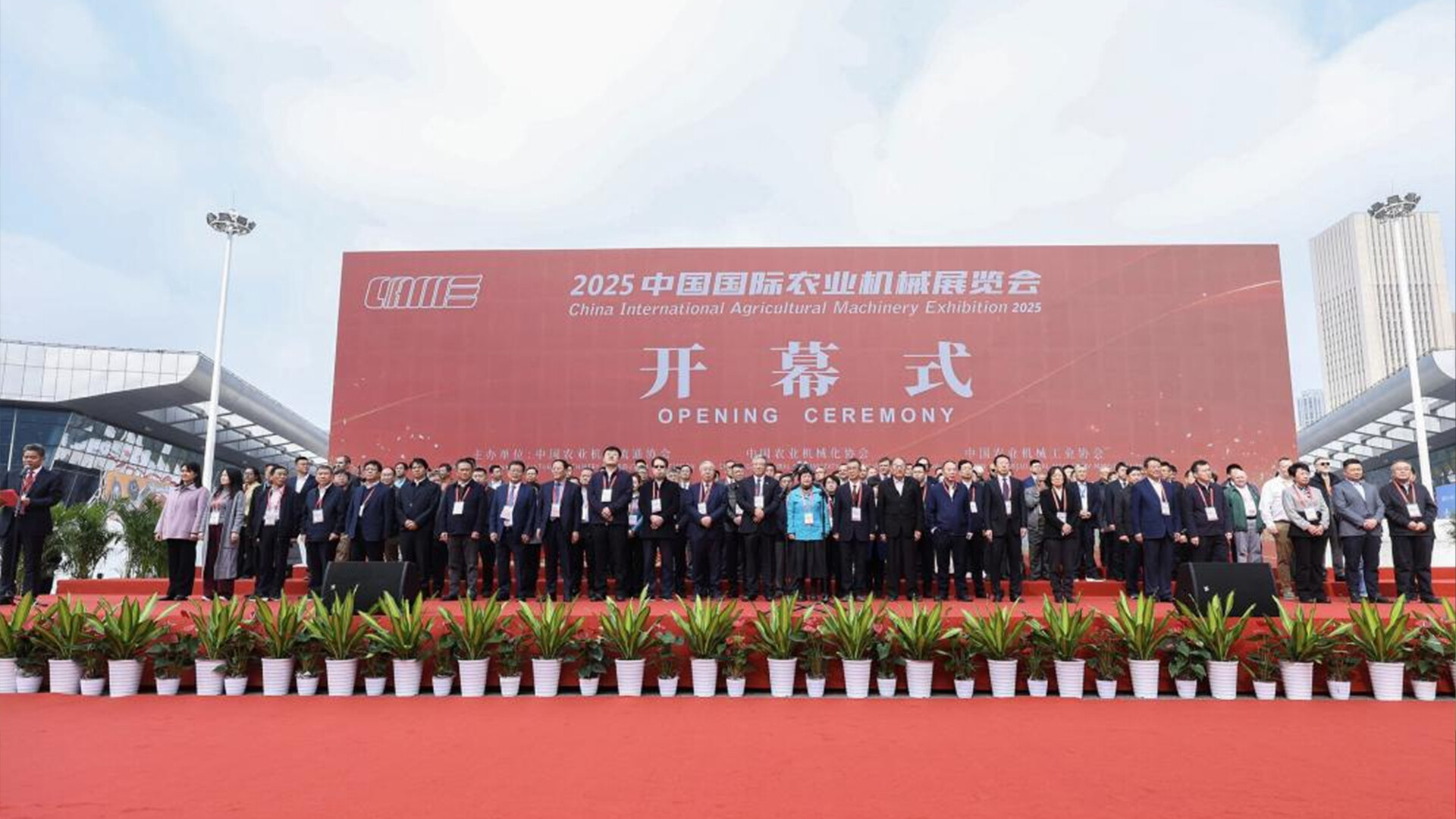
 Wuhan, October 26-28, 2025 China International Agricultural Machinery ExhibitionWuhan, October 26-28, 2025, the China International Agricultural Machinery Exhibition kicked off at the Wuhan International Expo Center. Shandong Changli Industrial Trading Co., Ltd. exhibited the complete "Changli" series of equipment. Among them, the YB504 "Little Warrior" medium tractor became the "traffic hotspot" for overseas buyers due to its high adaptability and cost-effectiveness, resulting in multiple cross-border intent orders on site.
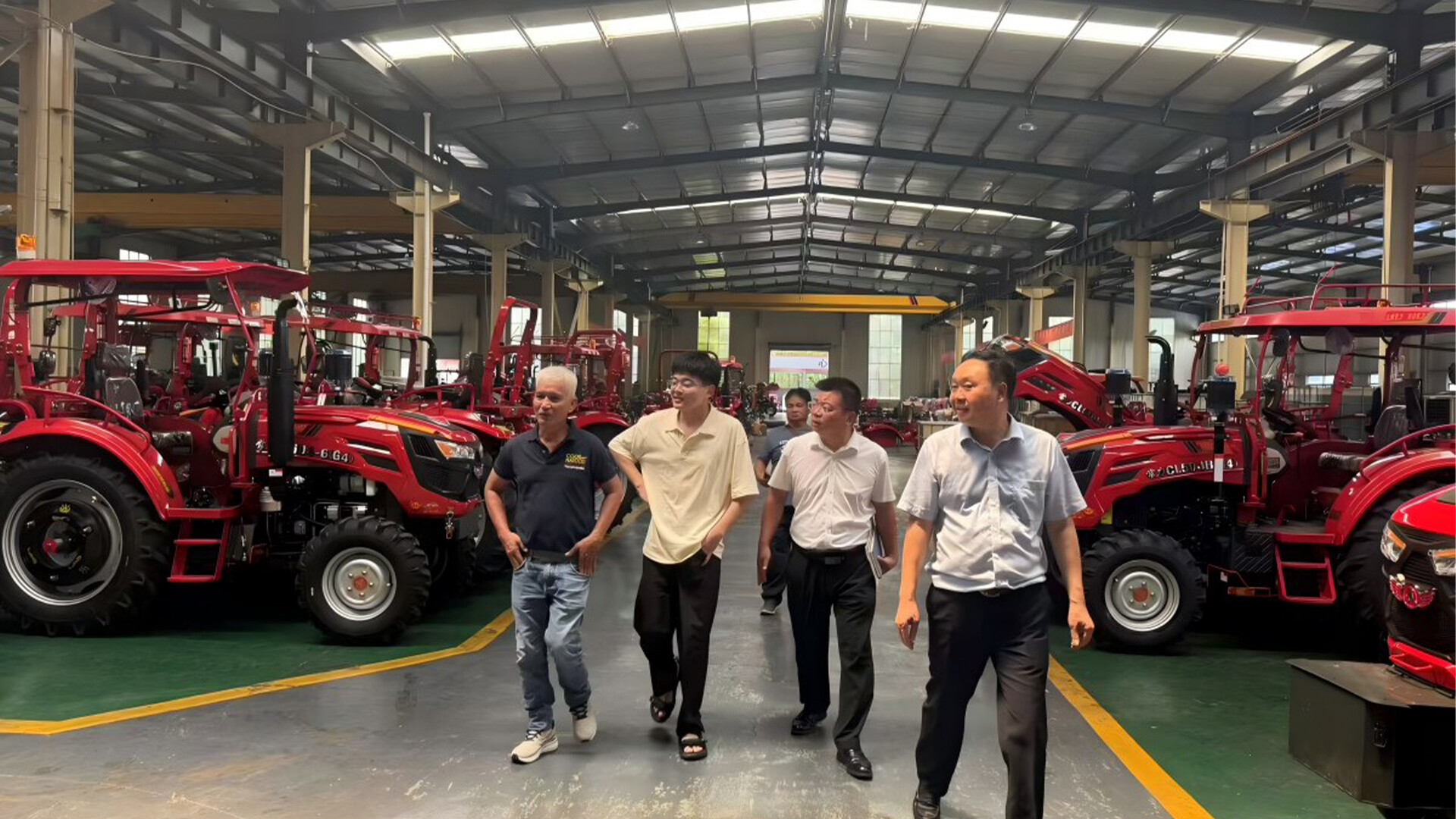
 Changli Tractor Factory welcomes Southeast Asian clients to visit and deepen cooperation, exploring new horizons in the agricultural machinery market.On August 4, 2025, the Changli Tractor Factory was filled with excitement as colorful flags fluttered across the plant. An important client delegation from Southeast Asia visited the factory to gain an in-depth understanding of Changli Tractor's production processes, product quality, and technological innovation capabilities, laying a solid foundation for future in-depth collaboration. The factory owner personally received them and accompanied them throughout the tour, demonstrating the company's high regard for this partnership.
 The Changli tractor shines brightly on African television: Chinese agricultural machinery brands win over overseas marketsRecently, exciting news came: the Changli tractor was broadcast on an African television station, becoming a focal point of attention for the local agricultural department. This not only indicates the growing influence of Changli tractors in the international market but also highlights the outstanding strength and innovative spirit of China's agricultural machinery manufacturing enterprises.